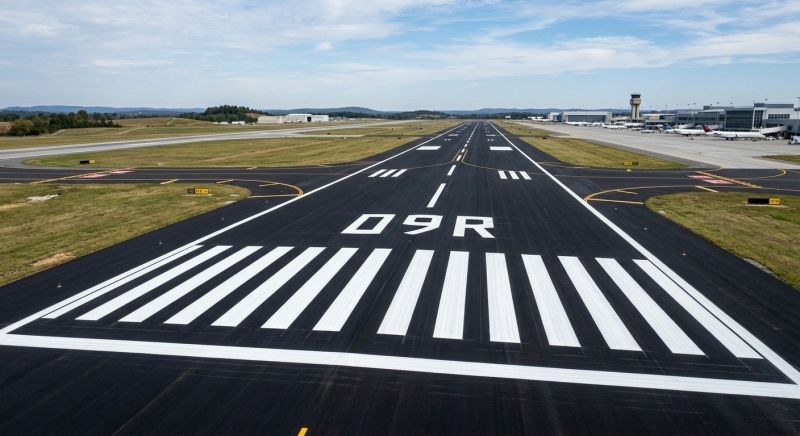
Airport Paving in Little Rock, AR
Airport paving services encompass the installation, repair, and maintenance of paved surfaces such as runways, taxiways, and parking aprons at airports and private airstrips. These projects typically involve preparing the ground, laying durable asphalt or concrete materials, and ensuring proper drainage and surface smoothness. Property owners interested in airport paving often want to understand the scope of work involved, the types of materials used, and how the project will impact airport operations or access during construction.
Before requesting airport paving services, property owners should consider factors such as the size and layout of the area to be paved, specific load-bearing requirements, and any regulatory standards that must be met. It is also helpful to clarify the desired timeline and any existing infrastructure that may influence the paving process. Proper planning and communication can ensure the project meets safety, functionality, and aesthetic expectations for airport facilities.
Many property owners in Little Rock, AR look into Airport Paving for repairs, replacements, upgrades, and appearance-related improvements.

Airport Runway And Taxiway Paving
Ensuring smooth and durable surfaces for aircraft operations.

Parking Lot And Apron Paving
Creating safe, accessible parking areas for travelers and staff.
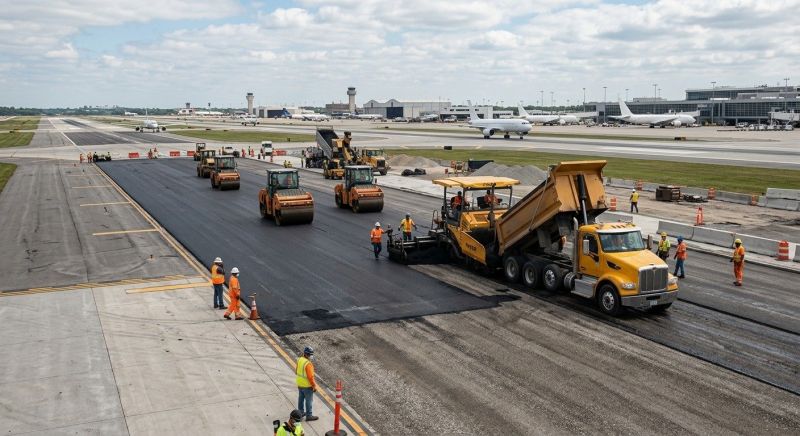
Airport Access Roadways
Constructing reliable roads to connect terminals with surrounding areas.
Airport Paving in Little Rock, AR

Airport paving services encompass the installation, repair, and maintenance of paved surfaces such as runways, taxiways, and parking aprons at airports and private airstrips. These projects typically involve preparing the ground, laying durable asphalt or concrete materials, and ensuring proper drainage and surface smoothness. Property owners interested in airport paving often want to understand the scope of work involved, the types of materials used, and how the project will impact airport operations or access during construction.
Before requesting airport paving services, property owners should consider factors such as the size and layout of the area to be paved, specific load-bearing requirements, and any regulatory standards that must be met. It is also helpful to clarify the desired timeline and any existing infrastructure that may influence the paving process. Proper planning and communication can ensure the project meets safety, functionality, and aesthetic expectations for airport facilities.
Many property owners in Little Rock, AR look into Airport Paving for repairs, replacements, upgrades, and appearance-related improvements.
Common Airport Paving Jobs
Airport paving - includes runway and taxiway surfacing for safe aircraft movement.
Parking lot paving - involves creating durable surfaces for airport parking areas.
Driveway paving - provides smooth, long-lasting access routes for airport staff and visitors.
Surface repair and maintenance - restores worn or damaged pavement to ensure safety and functionality.
Resurfacing services - refreshes existing pavement to extend its lifespan and improve appearance.
Sealcoating applications - protects pavement surfaces from weather and wear, reducing long-term damage.
Airport Paving Questions
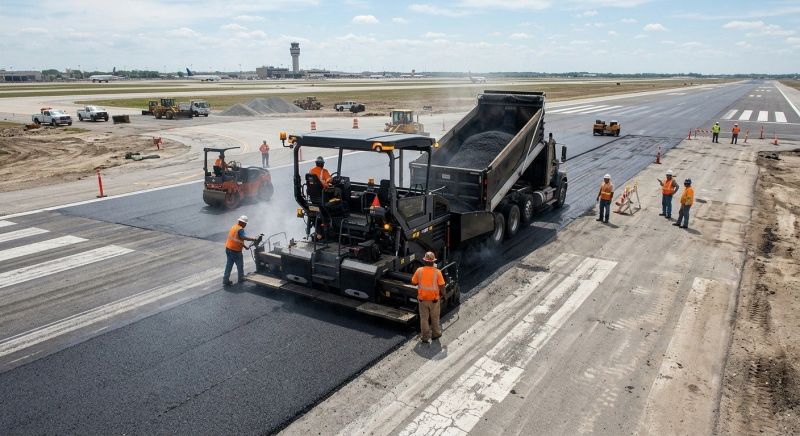
What types of paving projects are common for airports? Airport paving typically includes runways, taxiways, aprons, and parking areas to ensure safe and efficient aircraft movement.
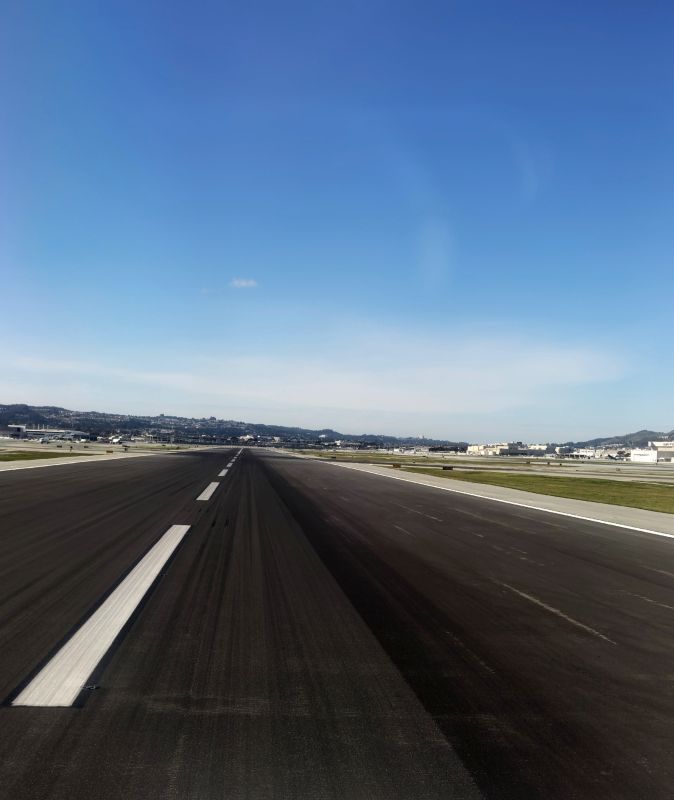
How long does airport paving usually last? Properly installed airport pavements are designed to withstand heavy aircraft traffic and can last several decades with regular maintenance.
What materials are used in airport paving? Asphalt and concrete are the most common materials, chosen for durability and ability to handle high loads.
What should property owners consider before airport paving? Proper site assessment, drainage, and material selection are key factors for long-lasting and functional airport pavements.
Request Airport Paving in Little Rock, AR
Use the quote form on this page to share the basics of your project and request more information for the type of work you need.